
Apricots
£1.20
In stock


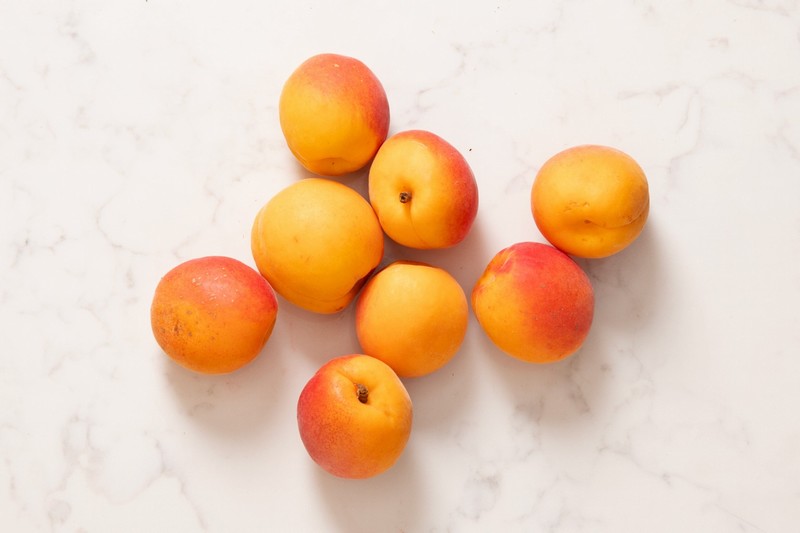
Apricots are petite, round to slightly oblong fruits with smooth and velvety skin.
The skin often has a rosy blush, and can range in color from pale yellow, to golden, to a burnt orange, depending on the variety and how ripe they are.
The flesh is smooth, juicy, tender, and sweet, with just a bit of tartness at the end.
The flavor is often described as being somewhere between a peach and a plum.
Apricots can be used in both raw and cooked applications, and in every type of dish from appetizer to dessert.
They can be roasted, grilled, baked, broiled, poached, cooked into jams and preserves, made into ice cream or gelato, or pureed for use in sauce or dressings.
Apricots pair well with other stone fruit, including cherries, almonds and plums, as well as with hazelnut, pistachio, vanilla bean, honey, egg custards, soft cheeses, lemon zest, orange zest, white chocolate, and light, sweet white wines.
Their skin is edible, thin, and tender, and it can help the fruit hold it’s shape in cooking and baking.
However, if you prefer to peel them, you can blanch apricots in boiling water for about 20 seconds, submerge in ice water, allow them to cool, and you’ll easily be able to peel off the skin.
Even the seed or kernel of a few Eastern apricot varieties is sweet, similar in flavor and appearance to an almond, and full of protein and fiber.
However, it is important to note that these kernels MAY BE TOXIC until roasted.
Store apricots on the counter at room temperature until ripe and soft to the touch.
Apricots should be eaten once ripe, or they can then be stored in the refrigerator and eaten within a couple days.
For longer storage, you can blanch, slice, remove the pit, and freeze apricots for up to 3 months.
| Size | x3 |
|---|---|
| Dietary | Dairy Free, Gluten Free, Made in UK, Plastic Free, Vegan, Vegetarian, Wheat Free |
Apricots are petite, round to slightly oblong fruits with smooth and velvety skin.
The skin often has a rosy blush, and can range in color from pale yellow, to golden, to a burnt orange, depending on the variety and how ripe they are.
The flesh is smooth, juicy, tender, and sweet, with just a bit of tartness at the end.
The flavor is often described as being somewhere between a peach and a plum.
Apricots can be used in both raw and cooked applications, and in every type of dish from appetizer to dessert.
They can be roasted, grilled, baked, broiled, poached, cooked into jams and preserves, made into ice cream or gelato, or pureed for use in sauce or dressings.
Apricots pair well with other stone fruit, including cherries, almonds and plums, as well as with hazelnut, pistachio, vanilla bean, honey, egg custards, soft cheeses, lemon zest, orange zest, white chocolate, and light, sweet white wines.
Their skin is edible, thin, and tender, and it can help the fruit hold it’s shape in cooking and baking.
However, if you prefer to peel them, you can blanch apricots in boiling water for about 20 seconds, submerge in ice water, allow them to cool, and you’ll easily be able to peel off the skin.
Even the seed or kernel of a few Eastern apricot varieties is sweet, similar in flavor and appearance to an almond, and full of protein and fiber.
However, it is important to note that these kernels MAY BE TOXIC until roasted.
Store apricots on the counter at room temperature until ripe and soft to the touch.
Apricots should be eaten once ripe, or they can then be stored in the refrigerator and eaten within a couple days.
For longer storage, you can blanch, slice, remove the pit, and freeze apricots for up to 3 months.
Related products
-
 On Backorder
-
 On Backorder
-
 On Backorder
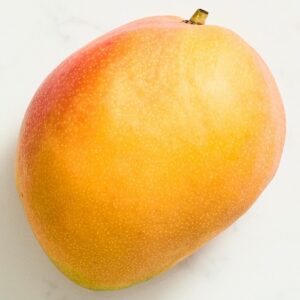
Mango Kent
£4.89 -
 On Backorder
